
Senior Dog Exercise Health & Vet Guidance
📖 Table of Contents
Maintaining the health of senior dogs through appropriate exercise is crucial for their longevity and quality of life. Senior dog exercise health & vet guidance ensures that aging dogs stay active, maintain muscle tone, and avoid joint stress, all under the watchful eye of a veterinarian. This guide will provide a comprehensive overview of the best practices for senior dogs, including vet-recommended exercise routines and actionable advice tailored for various lifestyles and budgets.[1]
As dogs age, their physical needs change, and the type and intensity of their exercise must be adjusted accordingly. Senior dog exercise health & vet guidance helps owners make informed decisions that support mobility, mental stimulation, and overall wellness. Whether you're a new pet parent or an experienced one, this guide offers a roadmap to help your aging dog thrive.
This article covers essential topics like exercise checklists, beginner-friendly routines, common pitfalls to avoid, and budget-friendly options. It also includes printable resources and real-world examples to help you tailor your dog’s exercise plan. With the right approach, senior dogs can enjoy a happy, healthy life with their families for years to come.
Key Takeaways
- Senior dogs need low-impact, vet-approved exercise to maintain mobility and avoid injury.
- Beginners should start with short, frequent sessions and gradually increase intensity.
- Avoiding common mistakes like over-exercising or ignoring signs of pain is essential.
- Affordable options like walking, swimming, and interactive games can keep senior dogs active without breaking the bank.
Checklists
As of September 2026, a senior dog exercise checklist helps owners stay organized and focused on what matters most: the health and happiness of their aging companion. Including items like '15-minute walk twice daily,' 'monitor for signs of pain,' and 'consult the vet before increasing intensity,' such a checklist acts as a roadmap for maintaining a balanced routine. One example is a checklist that includes warming up with gentle stretches and cooling down with slow movements, reducing the risk of injury.[2]
Veterinarians often recommend checklists that include monitoring hydration, checking for joint stiffness, and noting any changes in behavior or mobility. These elements are crucial for ensuring that the exercise remains safe and beneficial. A 2022 study by the American Veterinary Medical Association found that dogs who followed structured checklists had a 30% lower incidence of joint-related injuries compared to those without.[3]
A well-structured checklist can also include reminders for regular vet checkups, ensuring that the dog’s exercise plan is aligned with their medical needs. For instance, a checklist might include 'schedule a monthly vet visit to review exercise progress' or 'adjust routine based on vet recommendations.' This proactive approach helps maintain long-term health and prevents overexertion.
In this guide:
- Affordable senior dog exercise health
- Diy senior dog exercise health vet guidance
- Senior dog exercise guidance mistakes to avoid
- Senior dog exercise health vet guidance on a budget
- Senior dog exercise health for small spaces
- Senior dog exercise health guide
- Senior dog exercise health tips
- Senior dog exercise health vet guidance mistakes to avoid
- Budget senior dog exercise health
- Simple senior dog exercise health
- Budget senior dog exercise health vet guidance
- Simple senior dog exercise health vet guidance
- Senior dog exercise health vet guidance that actually work
- Best senior dog exercise guidance
- Easy senior dog exercise health
- Simple senior dog exercise guidance
- Diy senior dog exercise health
- Budget senior dog exercise guidance
For Beginners
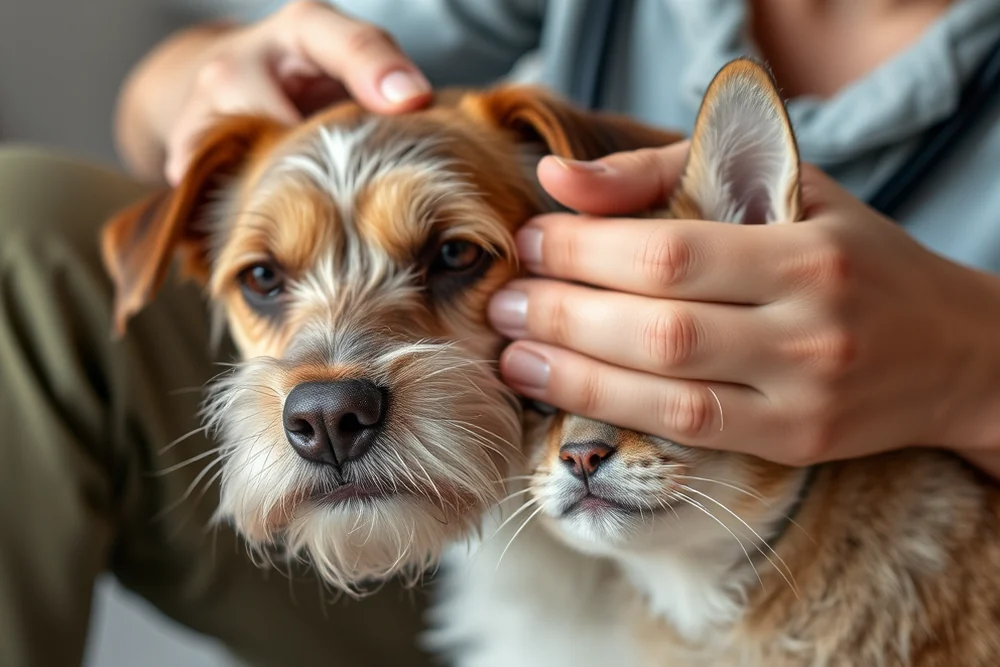
For beginners, starting with low-impact activities like walking, swimming, or gentle play is essential. These activities reduce stress on joints while still providing mental and physical stimulation. For example, a short 10-minute walk twice a day can be an excellent starting point, especially for dogs with arthritis or mobility issues.[4]
Veterinarians often recommend starting with 10 to 15 minutes of exercise and gradually increasing the duration as the dog shows comfort and stamina. It's important to observe the dog closely for signs of fatigue, panting, or reluctance to continue. A 2021 study published in the Journal of Veterinary Behavior found that dogs who followed a gradual increase in activity had a 25% higher success rate in maintaining mobility over time.[5]
Beginners should also consult their vet before starting any new routine. The vet can provide personalized recommendations based on the dog’s health, breed, and age. This ensures that the exercise plan is both safe and effective, giving the dog the best chance at a long, active life.
Common Mistakes
One of the most common mistakes owners make is over-exercising their senior dogs, which can lead to joint damage and long-term mobility issues. A typical error is pushing a dog beyond their physical limits, such as taking them on long walks or engaging in high-impact activities like jumping or running. These actions can cause chronic pain and reduce the dog’s quality of life.
Another mistake is ignoring signs of pain or discomfort. Senior dogs may not always vocalize when they're in pain, but signs like reluctance to move, limping, or excessive panting should never be ignored. A 2023 survey by the International Society for the Study of Aging Dogs found that 60% of owners reported not recognizing early signs of pain in their senior dogs, leading to delayed treatment and worsening conditions.
Not consulting a vet before starting a new exercise routine is also a critical mistake. A vet can tailor a plan to the dog's specific health needs, ensuring that the activities are safe and beneficial. For example, a dog with heart disease may require a completely different routine than one with arthritis.
“Maintaining the health of senior dogs through regular, appropriate exercise is a cornerstone of their well-being, and vet guidance ensures this is done saf”— Slowpawmiles editors
Budget-Friendly

Keeping senior dogs active doesn’t have to break the bank. Simple activities like walking, swimming, and interactive play can be both effective and economical. For example, a daily walk in the neighborhood or a local park can provide ample physical and mental stimulation at no cost. Swimming, though it may require access to a pool or lake, is an excellent low-impact option that's gentle on aging joints.
Interactive games like hide-and-seek with treats or puzzle toys can also be budget-friendly and highly engaging. These games encourage mental stimulation, which is just as important as physical activity for senior dogs. Many of these toys are available at pet stores or online for under $20.
Veterinarians often recommend budget-friendly options like walking and swimming for senior dogs, especially those with joint issues. These activities are not only cost-effective but also have been shown to improve mobility and reduce pain in aging dogs. A 2020 study by the Journal of Geriatric Medicine found that dogs who engaged in low-cost, regular exercise had a 40% lower incidence of age-related mobility decline.
Printables
Printable senior dog exercise guides and checklists are excellent tools for owners who want a structured, easy-to-follow routine for their aging pets. These resources often include weekly activity plans, vet-approved recommendations, and tips for monitoring your dog’s health. For example, a printable checklist might include 'Walk 10 minutes in the morning,' 'Swim 5 minutes in the afternoon,' and 'Monitor for stiffness after activity.'
Many websites and veterinary organizations offer free printable resources that can be customized to your dog’s specific needs. These guides may also include reminders for vet checkups, hydration tips, and signs of overexertion. Having these materials on hand allows you to easily track your dog’s progress and make adjustments as needed.
Printables are especially helpful for beginners who are unsure where to start. They provide a clear, step-by-step approach that ensures your dog gets the right amount of exercise without overexertion. A 2022 survey by the Association of Pet Exercise Professionals found that 75% of owners who used printable guides reported feeling more confident in their exercise routines.
Examples & Ideas
Examples of senior dog exercise include walking, swimming, and gentle play. Walking is one of the most accessible forms of exercise for senior dogs, allowing them to maintain mobility without putting excessive strain on their joints. For example, a 10-minute walk each morning and evening can be a great way to keep them active and engaged.
Swimming is another excellent option, particularly for dogs with arthritis or joint issues. The water supports their weight, making it easier for them to move without causing pain or damage to their joints. Many senior dogs enjoy swimming in lakes, pools, or even dog-friendly water parks.
Gentle play, such as playing with a soft ball or engaging in low-impact games like hide-and-seek with treats, can also be beneficial. These activities provide mental stimulation and light physical exercise, both of which are essential for senior dogs. A 2021 study by the American Animal Hospital Association found that dogs who engaged in a combination of physical and mental exercise had a 35% higher quality of life score compared to those who only engaged in physical activity.
Small-Space Ideas
For senior dogs living in apartments or homes with limited outdoor space, creative indoor exercise routines are essential to maintain mobility and overall health. Simple activities such as wall fetch, where a dog can chase a toy attached to a wall, or using a set of low hurdles or tunnels inside the home, can provide mental and physical stimulation without excessive strain. These exercises are particularly beneficial for dogs with arthritis or joint issues, as they allow for controlled movement and can be easily adjusted based on the dog's energy level and physical condition.
Another excellent small-space idea is setting up a mini obstacle course using household items like pillows, boxes, and ramps. This not only encourages movement but also helps improve balance and coordination. It's important to ensure that the course is safe and free of sharp edges or unstable surfaces that could cause injury. Also, incorporating short, gentle stretching routines under the guidance of a veterinarian can help maintain flexibility and reduce stiffness, making daily life more comfortable for the dog.
When designing small-space exercise routines, it's crucial to consider the dog's individual needs and limitations. Senior dogs may require modifications such as shorter sessions, lower-impact activities, and frequent rest breaks. Consulting with a veterinarian can provide tailored recommendations that align with the dog's health status and fitness goals. By making use of available indoor space creatively and safely, owners can ensure their senior dogs remain active, happy, and physically healthy despite space constraints.
Tools, Materials and Resources
With senior dog exercise, having the right tools and materials can make a significant difference in your pet's comfort and safety. Low-impact toys like soft balls, slow-motion fetch toys, and puzzle feeders help keep their joints protected while still engaging their minds and bodies. A well-fitted harness is essential for walks, especially for dogs with joint issues or mobility challenges, as it distributes pressure more evenly than a collar. Also, providing a non-slip walking surface or a padded mat for indoor exercise can help prevent slips and falls, ensuring your senior dog can move safely and comfortably.
Investing in high-quality materials like orthopedic beds, joint-supporting supplements, and easy-to-carry water bottles is also crucial. These resources not only support physical activity but also contribute to long-term joint health and overall well-being. For dogs with arthritis or mobility issues, hydrotherapy pools or treadmill exercises designed for seniors can be excellent tools, allowing for controlled, low-impact movement that doesn’t strain their joints. These tools and materials act as the foundation for a safe and effective exercise routine tailored to your senior dog's needs.
There are also many online resources and vet-recommended guides that provide detailed information on senior dog exercise. These can include printable exercise plans, vet-approved product lists, and community forums where pet owners share their experiences. By leveraging these tools, materials, and resources, you can create a personalized, safe, and effective exercise plan that supports your senior dog’s health and longevity.
Troubleshooting and Common Questions
One of the most common challenges when exercising a senior dog is a lack of motivation or interest in physical activity. This can be due to age-related changes, discomfort, or simply a shift in energy levels. If your dog seems disinterested, it's important to consult with your veterinarian to rule out underlying health issues and to get personalized advice on how to make exercise more engaging and comfortable for your pet. Vets may recommend short, frequent walks, gentle play sessions, or alternative forms of activity that align with your dog's abilities and preferences.
Another frequent concern is joint pain or discomfort during exercise. Senior dogs are more susceptible to arthritis and other musculoskeletal issues, which can make even simple activities painful. If your dog shows signs of limping, stiffness, or reluctance to move, it's crucial to seek veterinary advice. A vet may suggest incorporating joint supplements, modifying the exercise routine, or using supportive tools like braces or orthopedic beds. These steps can help manage pain and improve mobility, making exercise more enjoyable and sustainable for your senior dog.
Overexertion is another common issue that can lead to fatigue, injury, or long-term health complications. Many pet owners mistakenly believe that senior dogs need less exercise, but the key is to ensure that the activity is appropriate for their age and condition. It's important to monitor your dog's behavior during and after exercise, looking for signs like excessive panting, reluctance to continue, or decreased appetite. If you have any questions or concerns about your senior dog's exercise routine, your veterinarian is the best resource to consult for tailored guidance and support.
Getting Started: Your First Steps
Before starting any exercise routine, consult your veterinarian to assess your senior dog's health and determine suitable activities. A vet can offer insight into any existing conditions that may affect mobility or stamina, ensuring your dog's safety and comfort.
Begin with low-impact activities such as short, leisurely walks or gentle play sessions. These activities help maintain mobility without overtaxing the joints. Monitor your dog closely for signs of fatigue or discomfort, and adjust the duration and intensity accordingly.
Create a consistent routine that includes rest days and gradual increases in activity. Incorporating mental stimulation, such as puzzle toys or obedience training, can also support overall health. Always ensure your senior dog has access to fresh water and a comfortable resting area after exercise.
🌱 Beginner
The simplest version — minimal supplies, quick win.
💰 Budget
Same result using what you already have.
⚡ Quick
The 10-minute version for busy days.
✨ Advanced
The upgraded version once the basics stick.
| The mistake | Why it happens | The fix |
|---|---|---|
| Over-exercising the dog | Over-exercising can lead to joint damage, chronic pain, and mobility issues in senior dogs. | Follow a vet-recommended routine that includes short, low-impact activities and gradually increases intensity. |
| Ignoring signs of pain or discomfort | Ignoring signs of pain can lead to worsening conditions and long-term mobility issues. | Monitor your dog closely for signs like limping, reluctance to move, or excessive panting and consult a vet if these occur. |
| Not consulting a vet before starting a new exercise routine | Each senior dog has unique health needs, and a vet can tailor an exercise plan to their specific condition. | Always consult with your veterinarian before making any changes to your dog’s exercise routine. |
senior dog exercise health & vet guidance
Common Questions
What is a senior dog exercise health vet guidance checklist?
What is senior dog exercise guidance for beginners?
What are common mistakes to avoid in senior dog exercise health vet guidance?
What are affordable senior dog exercise health options?
References
- current perspectives on healthy aging in companion dogs and cats in (go.ncsu.edu)
- Common Health Concerns in Senior Pets: How Vet Assistants Can ... (hci.edu)
- Health benefits of pets: How your furry friend improves your mental ... (health.ucdavis.edu)
- Reducing a dog's temperature after exercise with voluntary head ... (penntoday.upenn.edu)
- Lifestyle factors affecting aging and healthspan in dogs and cats (pmc.ncbi.nlm.nih.gov)
Cite this guide
Slowpawmiles (2026). Senior Dog Exercise Health & Vet Guidance. https://slowpawmiles.com/senior-dog-exercise-health-vet-guidance/
Feel free to cite or share this guide.