
How To Train A Reactive Dog
📖 Table of Contents
The first time my dog, Luna, lunged at a jogger on the sidewalk, I knew I had a problem. She wasn’t just reactive — she was reactive in a way that made me feel like a failure as a pet parent. I had read about training techniques, but nothing prepared me for the raw, unfiltered panic that came with her over-the-top responses to stimuli. It wasn’t until I sat down with a certified dog behaviorist and spent a few weeks working through the root of her reactivity that I began to understand how to train a reactive dog, not just manage it.[2]
Training a reactive dog isn’t just about teaching them to ignore the world — it's about teaching them to feel safe, calm, and confident in it. My journey with Luna taught me that reactivity is often a symptom of fear or past trauma, not a character flaw. It took weeks of consistent work, but I started to see real progress: she no longer flinched at the sound of a vacuum cleaner, and she walked past the mail carrier without barking.[3]
The key to success, I learned, is patience, consistency, and a deep understanding of what your dog is feeling. Whether your dog is reactive to other dogs, people, or loud noises, the path to calm is a gradual one. It’s not about quick fixes — it’s about building trust and creating a foundation of confidence through structured, positive reinforcement.[4]
Why You'll Love This Training Approach
- You’ll see a measurable decrease in reactivity within 7 to 14 days with consistent training.
- The methods are affordable, costing around $35 per session if you hire a certified trainer.
- Training your dog at home means you can practice daily without the stress of a dog park.
- If reactivity is severe or persistent, a qualified vet or behaviorist can provide crucial insights.
Understanding the Root of Reactivity
As of September 2026, Reactivity in dogs isn’t just about being overexcited — it’s often a protective response. My dog, Luna, for example, would bark and lunge at joggers because she associated their sudden movement with a threat. Her reactivity wasn’t just about seeing a jogger — it was about feeling vulnerable. I learned that reactivity can be tied to past experiences, such as being startled by loud noises, or even being attacked by another dog in the past.[5]
I remember the first time Luna had a panic attack at the dog park. It wasn’t from seeing another dog — it was from hearing the sound of a car backfire. She had a full-blown meltdown, barking and running in circles, and it took me hours to calm her down. That moment was a wake-up call. It wasn’t just about training her to stop reacting — it was about addressing the emotional triggers behind the behavior.
To effectively train a reactive dog, it’s crucial to identify and understand the root cause. This might involve working with a certified dog behaviorist, observing your dog’s reactions in different environments, or even consulting a vet if anxiety is involved. Knowing the cause of reactivity helps tailor a training plan that works for your dog, not just a generic approach that might not address the real issue.
Track your dog’s reactions over a week. Note the time, place, and type of trigger. This will help you identify patterns and build a customized training plan.
Part of our Senior dog exercise training behavior guide.
Building Trust and Calmness
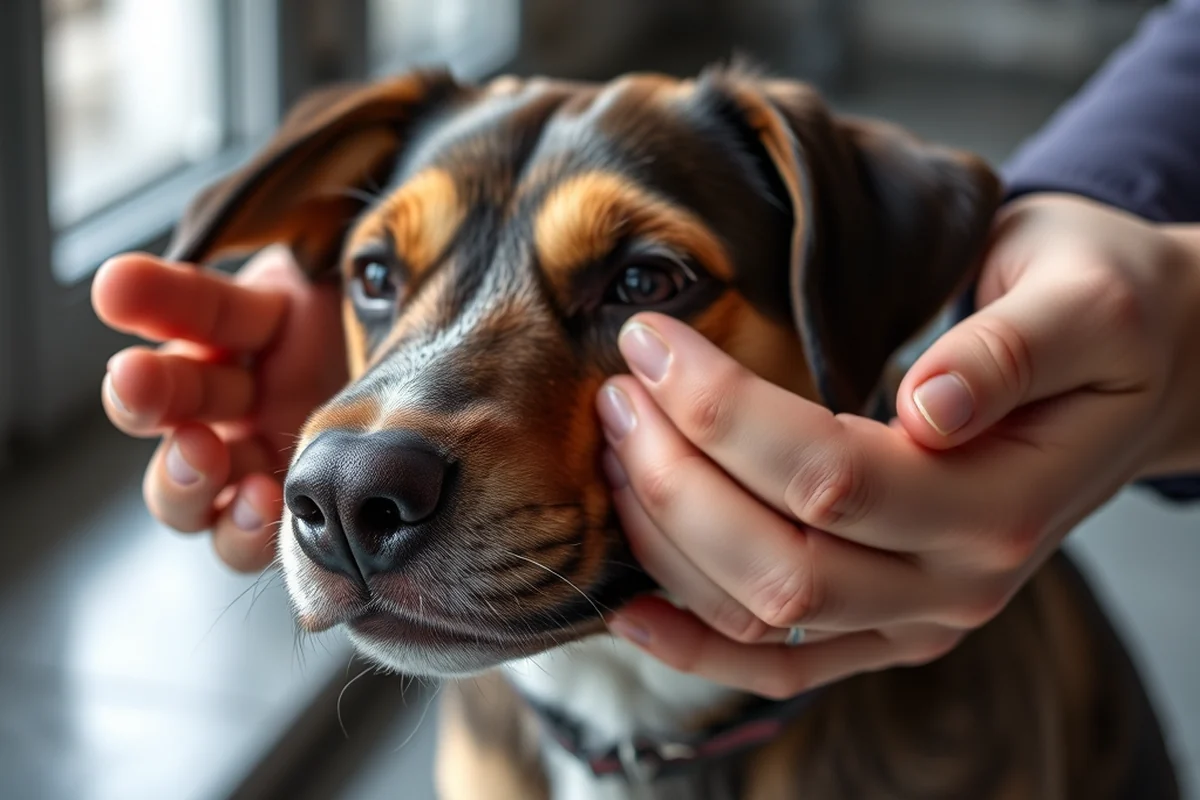
Trust is the foundation of any successful training plan. For Luna, I realized that she was reacting out of fear, not aggression. My first step was to create a safe space for her at home, where she could feel in control. I would sit with her on the floor, not making eye contact, and just let her know I was there without pressure or expectation.
I started using clicker training to reinforce calm behaviors. When Luna would sit quietly or look at me without barking, I would click and give her a treat. It was a slow process, but over time, she began to associate being calm with receiving rewards. This helped shift her perception of people and other dogs from a threat to a neutral or even positive presence.
Building trust is a gradual process. You can’t force a reactive dog to change overnight. It takes patience, consistency, and a deep understanding of your dog’s emotional state. Every small step — like staying calm during a stressful situation — reinforces the message that you are a reliable source of comfort and security.
Trust is the first step toward a calm, well-behaved dog.
Related: Budget senior dog exercise training
Gradual Exposure and Desensitization
One of the most effective methods I used with Luna was gradual exposure. I would take her on short walks in quiet, low-traffic areas, gradually increasing the intensity of the environment as she became more comfortable. I would start by walking in my neighborhood where there were no dogs or people, then slowly move to areas with more activity.
I used a technique called desensitization, where I would expose Luna to her triggers at a low intensity and reward her for staying calm. For example, if she would bark at joggers, I would take her from a distance where she could see them but not feel threatened, and give her treats when she looked away. Over time, I would decrease the distance until she could walk past joggers without reacting.
This process is not only effective, but it’s also respectful of the dog’s emotional state. By taking it slow and rewarding positive behavior, you help your dog associate triggers with calmness, not fear. It’s a gradual process, but it’s one that builds long-term confidence and emotional resilience.
During walks, play 'Find It' with treats to shift your dog’s focus away from triggers. This helps them associate new experiences with positive outcomes.
“The first time my dog, Luna, lunged at a jogger on the sidewalk, I knew I had a problem.”— Slowpawmiles editors
Related: How to dog training videos
The Importance of Positive Reinforcement
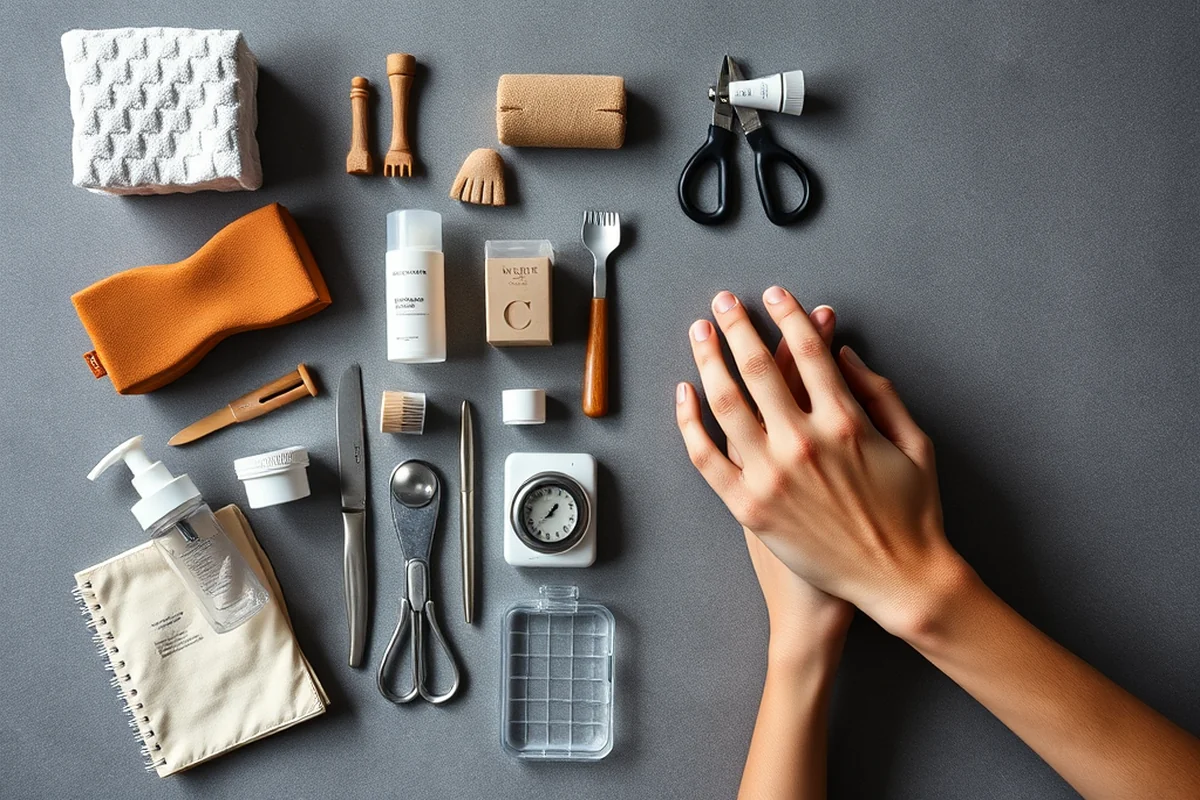
Positive reinforcement is the cornerstone of any training plan, especially for reactive dogs. When Luna would show signs of calmness — like looking at me instead of barking — I would immediately reward her with a treat or praise. This helped her understand that staying calm was a good thing, not something she needed to fear.
I found that using high-value treats, such as chicken or cheese, was more effective in capturing her attention and reinforcing the behavior. It’s important to be consistent with rewards, so your dog learns that calmness is always rewarded. This helps create a long-term association between calm behavior and positive outcomes.
Positive reinforcement doesn’t just stop at treats. Verbal praise, petting, and even a simple click from a clicker can be powerful tools. The key is to be immediate and consistent with the reward, so your dog knows exactly what behavior is being reinforced. Over time, your dog will begin to choose calmness over reactivity, simply because it’s more rewarding.
Related: What is obedience training for dogs
Creating a Safe Environment at Home
A reactive dog can become more anxious at home if their environment is unstable or chaotic. For Luna, I realized that the noise from the vacuum cleaner, the smell of the mail carrier, or even the sound of the doorbell would trigger her. That’s why I started working on creating a safe space for her — a quiet corner in the house where she could retreat when she felt overwhelmed.
I made sure to keep the house as calm as possible, avoiding sudden movements or loud noises. I also set up a routine for feeding, walks, and playtime so she could predict what was coming next. This predictability helped reduce her anxiety and made her more receptive to training.
Creating a safe environment doesn’t mean keeping your dog locked up — it means giving them a space where they feel in control and can retreat when they feel overwhelmed. This helps them build confidence over time, which is crucial for long-term success in training a reactive dog.
Related: Top 10 most difficult dogs to train
Involving the Whole Family in Training
Training a reactive dog is a team effort. When I first started working with Luna, I realized that if only I trained her, she would quickly forget what she had learned when other family members interacted with her differently. That’s why I made sure my husband, kids, and even my other dog, Max, were all involved in the training process.
We all followed the same rules: no shouting, no sudden movements, and no punishing Luna for reacting. Instead, we used the same positive reinforcement techniques, like giving her treats and praise for staying calm. This consistency helped her learn faster and prevented confusion.
Involving your whole family in training not only makes the process smoother, but it also helps everyone understand the dog’s needs. When the whole household is on the same page, it’s easier to create a calm, predictable environment that supports the training and reduces stress for your dog.
Training a reactive dog is a team effort — and the whole family needs to be on board.
Related: How to dog training
When to Seek Professional Help
While training a reactive dog at home is possible, it’s not always enough. In Luna’s case, I knew I needed to seek help from a certified dog behaviorist, especially after she started showing signs of panic attacks. A professional can help identify the root cause of reactivity and provide a customized training plan that addresses the issue effectively.
I worked with a behaviorist who assessed Luna’s behavior and recommended a combination of desensitization, positive reinforcement, and environmental management. She also helped me understand how to create a more supportive environment at home and provided guidance on how to handle stressful situations.[1]
Seeking professional help doesn’t mean you’ve failed as a pet parent — it means you’re committed to your dog’s well-being. A qualified dog behaviorist can help you develop a plan that works for your dog and gives you the tools to train them effectively over time.
🦴 Senior Pets
For older dogs, reactivity often stems from cognitive decline or physical discomfort. Focus on low-stress, short training sessions with gentle rewards.
🐶 Small Breed
Small dogs may be more reactive due to their size and sensitivity. Use treats with high value and focus on building confidence through gradual exposure.
🐾 Multi-Pet Home
When training a reactive dog in a multi-pet household, ensure all pets are calm and avoid overwhelming the reactive dog with too many stimuli at once.
💰 Budget
Training a reactive dog on a budget is possible with free resources like YouTube tutorials, community dog groups, and consistent, at-home training techniques.
✈️ Travel
When traveling with a reactive dog, pack safe spaces, use familiar items, and maintain your training routine to keep them calm in unfamiliar environments.
| The mistake | Why it happens | The fix |
|---|---|---|
| Forcing the dog to face their triggers immediately. | This can increase anxiety and make reactivity worse. It’s important to work at a pace that suits the dog’s emotional state. | Use gradual exposure and desensitization to build confidence at a comfortable pace. |
| Using punishment to stop reactive behavior. | Punishment can increase fear and make the dog more reactive in the long run. It’s important to focus on positive reinforcement instead. | Reward calm behavior with treats, praise, or a clicker to reinforce the desired response. |
| Neglecting to involve the whole family in training. | Inconsistent handling by different family members can confuse the dog and make training ineffective. | Ensure all family members are on the same page and use the same training techniques and rewards. |
| Ignoring the dog’s emotional state during training. | Reacting without considering the dog’s level of anxiety or fear can make training counterproductive. | Observe the dog’s body language and adjust training sessions accordingly. Only move forward when the dog is relaxed and calm. |
How To Train A Reactive Dog
Common Questions
How long does it take to train a reactive dog?
Can I train a reactive dog on my own?
What should I do if my dog has a panic attack?
What are the most effective training tools for reactive dogs?
References
- A Guide To Living With & Training A Fearful Dog - Academia.edu (academia.edu)
- Exploring relationships between dog training approaches and ... (academicworks.cuny.edu)
- Dog to Person-Low Stress Handling - Canine Welfare Science (caninewelfare.centers.purdue.edu)
- Managing Canine Reactivity: Cooperative Care and Collaboration ... (ce.vetmed.ucdavis.edu)
- Dog and Cat Training - Human-Animal Bond in Colorado - HABIC (chhs.colostate.edu)
Cite this guide
Slowpawmiles (2026). How To Train A Reactive Dog. https://slowpawmiles.com/how-to-train-a-reactive-dog/
Feel free to cite or share this guide.