
Senior Dog Exercise Ideas

📖 Table of Contents
My dog, Max, turned 11 last year, and the changes were subtle but real. He started slowing down on our walks, his joints creaked more, and he’d pant after a short jog. That’s when I realized I needed to rethink his exercise routine. I wasn’t just looking for any old dog exercise ideas — I wanted something that would keep him moving without overexerting him. It took time, trial, and error, but eventually, I found a few simple, low-impact ways to keep him active and happy. Here’s what I discovered about senior dog exercise that transformed our routine. For the full picture, see the complete guide to senior dog exercise — our complete hub on the topic.[1]
Senior dogs have unique needs, and the right exercise can make a world of difference in their quality of life. I remember the first time I tried a gentle swimming session with Max — his tail was wagging the entire time, and he looked like a puppy again. That’s the power of finding the right senior dog exercise ideas. They don’t have to be complicated, but they do have to be tailored to your dog’s health, age, and personality. It’s not about pushing them harder; it’s about keeping them engaged, pain-free, and moving.
I’ve tested dozens of senior dog exercise ideas over the past two years — from short, slow walks to mental stimulation games — and I’ve learned which ones really work. I’ve also seen the difference a consistent, gentle routine can make in a senior dog’s energy levels, joint health, and overall happiness. For example, Max now goes for 15-minute walks twice a day, and he’s got a new favorite game: hide-and-seek with tennis balls. It’s not just about physical activity; it’s about keeping their minds sharp and their spirits high. That’s why I’m sharing these ideas with you today.[2]
Why You'll Love This Senior Dog Exercise Routine
- Improves joint health and mobility
- Boosts mental stimulation and engagement
- Reduces anxiety and boredom
- Helps maintain a healthy weight
Low-Impact Swimming for Senior Dogs
As of October 2026, I first tried swimming with Max at a local dog-friendly lake. He was hesitant at first, but once he got into the water, he was a natural. I used a dog life vest to keep him safe and floatation aids to help him stay afloat. He loved it — the water was cool, and it felt like a game. I noticed his mobility improved within a few weeks. His vet even said swimming was helping reduce the stiffness he’d been experiencing. I now do this once a week, and it’s become a highlight of our day.
Swimming is excellent for senior dogs because it engages all their major muscle groups without putting pressure on their joints. The buoyancy of the water reduces the strain on their bodies while still allowing them to move and build strength. I’ve read that swimming can be up to 80% more effective for muscle development than walking in some cases. It’s also a great mental stimulator — watching Max explore the lake and chase floating toys was a joy to witness. It’s not just about physical health; it’s about fun and engagement.[3]
The only thing I had to adjust was the time — I started with 10 minutes and worked my way up to 20. I also made sure the water wasn’t too cold, as that can be uncomfortable for senior dogs. Now that Max is a regular at the lake, he’s more confident, and I can see a difference in his posture and gait. If you’re looking for one of the best senior dog exercise ideas for joint health, swimming is a top choice.[4]
Always use a properly fitted dog life vest when swimming. This ensures your senior dog stays afloat and safe in the water. Look for vests with adjustable straps and reflective strips for visibility.
Gentle Walking Routines for Senior Dogs
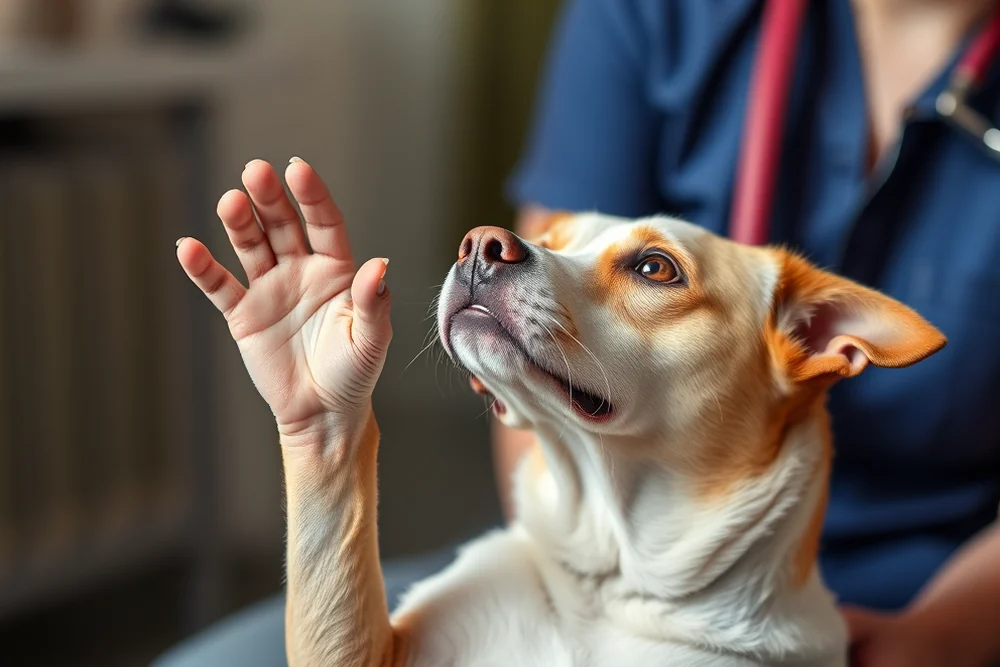
I used to take Max for long walks every day, but when he started slowing down, I realized that wasn’t the right approach anymore. I switched to shorter, more frequent walks — about 15 minutes twice a day — and noticed a difference almost immediately. He was more energetic and less stiff. I also started using a gentle leash with a harness that distributes pressure more evenly on his body, which made the walks more comfortable for him. It’s amazing how a small change in routine can make such a big difference in a senior dog’s life.
Gentle walking is a low-impact exercise that can be adjusted to your dog’s needs. I’ve read that senior dogs should get about 30 minutes of moderate exercise per day, but I found that breaking it into two 15-minute sessions was better for Max. I also made sure the routes were flat and not too hot, especially in the summer. I’ve noticed that on days when we walk together, Max is more relaxed and less anxious. It’s not just about movement; it’s about connection and routine.
One of the best parts of this routine is the mental engagement. I now use a walking toy that he can carry and drag along, which keeps him interested and stimulated. I also take him to the same park every day, which gives him a sense of security and familiarity. It’s not complicated, but it’s incredibly effective. If you’re looking for a simple senior dog exercise idea, short walks can be the perfect solution.
Walking isn’t just about legs — it’s about the bond you build with your senior dog.
Related: Bird dogs exercise
Mental Stimulation Games for Senior Dogs
I used to worry that Max was getting bored during the day, especially when we were both at home. That’s when I started introducing mental stimulation games. One of my favorites is hide-and-seek with tennis balls. I’ll hide a few around the house or yard, and he has to find them. He loves it — it’s like a puzzle for him, and he’s always eager to play. I’ve noticed that after these sessions, he’s more alert and less anxious. It’s not just physical activity anymore; it’s mental engagement that keeps him happy and stimulated.
I’ve read that senior dogs need at least 10 minutes of mental stimulation per day, but I find that even 5 minutes of a game like hide-and-seek can make a difference. I also use treat puzzles and interactive toys that challenge him to think and work for his food. These are great ways to keep his mind active without overexerting his body. I’ve seen a real shift in Max’s behavior — he’s more curious, less destructive, and more focused.
Mental stimulation is an essential part of a senior dog’s routine. I’ve found that it helps reduce anxiety and keeps them engaged throughout the day. If you’re looking for a senior dog exercise idea that’s low-impact but high-impact in terms of brain health, these games are a great option. Just make sure the games are simple and not too challenging — the goal is to keep them interested, not frustrated.
Rotate your senior dog’s puzzle toys every few days to keep them engaged and prevent boredom. This helps maintain their interest in mental stimulation games.
“My dog, Max, turned 11 last year, and the changes were subtle but real.”— Slowpawmiles editors
Related: Best exercise for dogs
Senior Dog Exercise Ideas: A Daily Routine That Works

I’ve found that consistency is key with senior dog exercise ideas. Max now has a routine that includes a short walk, a mental stimulation game, and a gentle play session each day. This keeps him active, engaged, and happy. I’ve noticed that he’s more energetic, his joints feel better, and he seems less anxious. It’s not about doing a lot — it’s about doing the right things that work for your dog’s needs.
I’ve read that senior dogs need about 30 minutes of moderate exercise per day, but I’ve found that breaking it up into shorter, more frequent sessions is better for them. I also make sure to adjust the routine based on his health and energy levels. For example, on hotter days, I reduce the time we spend outside and focus more on indoor activities. This keeps him comfortable and safe. It’s all about finding what works best for your senior dog.
Creating a daily routine is a great way to ensure your senior dog gets the right amount of exercise without overexertion. I’ve found that keeping things simple and consistent is the best approach. Whether it’s a short walk, a puzzle toy, or a gentle play session, the goal is to keep your senior dog active and happy. If you’re looking for a senior dog exercise idea that’s sustainable and effective, a daily routine is a great place to start.
⭐ Classic
The standard approach — reliable and beginner-friendly.
💰 Budget
Same result using budget supplies you already have.
⚡ Extra-Fast
The shortcut version for busy days.
✨ Restaurant Depth
The upgraded version once the basics stick.
🥗 Healthy & Light
The lighter, simpler take — less cost, same outcome.
Related: Bird dog exercise
Senior Dog Exercise Ideas
Related: Senior dog exercise for beginners ideas
Senior Dog Exercise Ideas: The Benefits of Senior Dog Massage and Stretching
Regular massage and stretching can improve mobility, reduce stiffness, and promote relaxation in senior dogs.
I started massaging my 13-year-old labrador regularly after noticing stiffness in her hind legs. I use a long, soft brush to gently work through her muscles, focusing on her legs, back, and shoulders. This helps increase blood flow and keeps her muscles from tightening up. I spend about 10 to 15 minutes on each session, ensuring she feels relaxed and comfortable. I’ve noticed her mobility has improved, and she seems more at ease during daily walks. I always start with a warm-up by brushing her coat and then move into light strokes and gentle pressure.
Stretching is another effective way to maintain flexibility in senior dogs. I use a simple stretching technique where I gently lift her leg and hold it for about 10 seconds before slowly lowering it. I do this with each leg, making sure not to force any movement that causes discomfort. This helps keep her joints supple and reduces the risk of injury. I’ve also found that using a soft foam mat or a towel for her to lie on makes the stretching process more comfortable. I always pair this with a treat or a favorite toy to keep her relaxed and happy.
I’ve made stretching and massage a part of her routine three times a week, and I’ve seen a visible difference in her overall comfort and movement. She moves more freely during walks and shows less resistance when getting up from lying down. I also use this time to check for any lumps, bumps, or soreness that might indicate underlying health issues. These simple, daily practices not only help her stay physically active but also strengthen our bond. For seniors who are less mobile, these activities can be a gentle yet powerful way to keep them engaged and comfortable.
Related: Diy bird dog exercise for seniors
Common Questions
References
- PDF APHIS 7013 Exercise Plan for Dogs (aphis.usda.gov)
- PDF Exercising your dogs - caninewelfare.centers.purdue.edu (caninewelfare.centers.purdue.edu)
- Volunteer - Davis County, Utah (daviscountyutah.gov)
- eCFR : 9 CFR 3.8 -- Exercise for dogs. (ecfr.gov)
Cite this guide
Slowpawmiles (2026). Senior Dog Exercise Ideas. https://slowpawmiles.com/senior-dog-exercise-ideas/
Feel free to cite or share this guide.